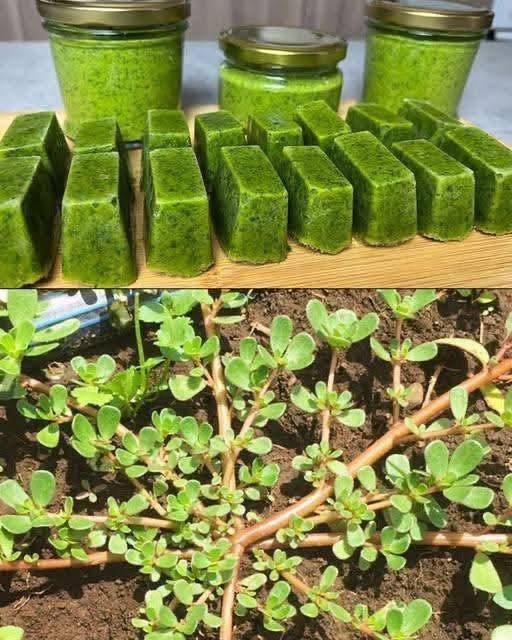
Common Purslane (Portulaca oleracea) is a leafy green plant that grows almost everywhere and is often considered a weed—but it’s actually a nutrient powerhouse. Here’s the real scoop on its benefits, uses, and precautions. 🌱
Nutritional and Medicinal Power of Purslane
1. Extremely Nutritious
- Rich in Omega-3 Fatty Acids: One of the few plants with alpha-linolenic acid (ALA), which is good for heart and brain health.
- High in Vitamins: Especially vitamin A, C, and some B vitamins.
- Minerals: Contains magnesium, calcium, potassium, and iron.
- Antioxidants: Beta-carotene, vitamin C, and glutathione help fight free radicals.
2. Supports Heart and Brain Health
- The omega-3 content helps reduce inflammation, improve cholesterol levels, and support cardiovascular health.
- Antioxidants in purslane may protect brain cells and support cognitive function.
3. Anti-Inflammatory and Healing
- Traditionally, purslane has been used for:
- Reducing inflammation
- Wound healing when applied topically
- Soothing digestive irritation
4. Culinary Uses
Purslane has a slightly tangy, lemony flavor and can be eaten raw or cooked:
- Salads: Mix fresh leaves with other greens.
- Soups and Stews: Adds nutrients and a subtle crunch.
- Sautéed: With garlic and olive oil for a healthy side dish.
- Smoothies: For an extra nutrient boost.
5. Precautions
- Oxalates: Purslane contains oxalates, which can contribute to kidney stones in susceptible people—avoid excessive consumption if you have kidney issues.
- Pesticides: If collecting wild purslane, make sure it hasn’t been sprayed with chemicals.
- Moderation: Eating a variety of greens is best—don’t rely solely on purslane for nutrients.
Pro Tip
- Purslane grows abundantly in sunny areas and can be easily added to your garden or containers. It’s low-maintenance and harvesting a few leaves regularly encourages new growth.