Here’s What You Need to Know About Tonsil Stones
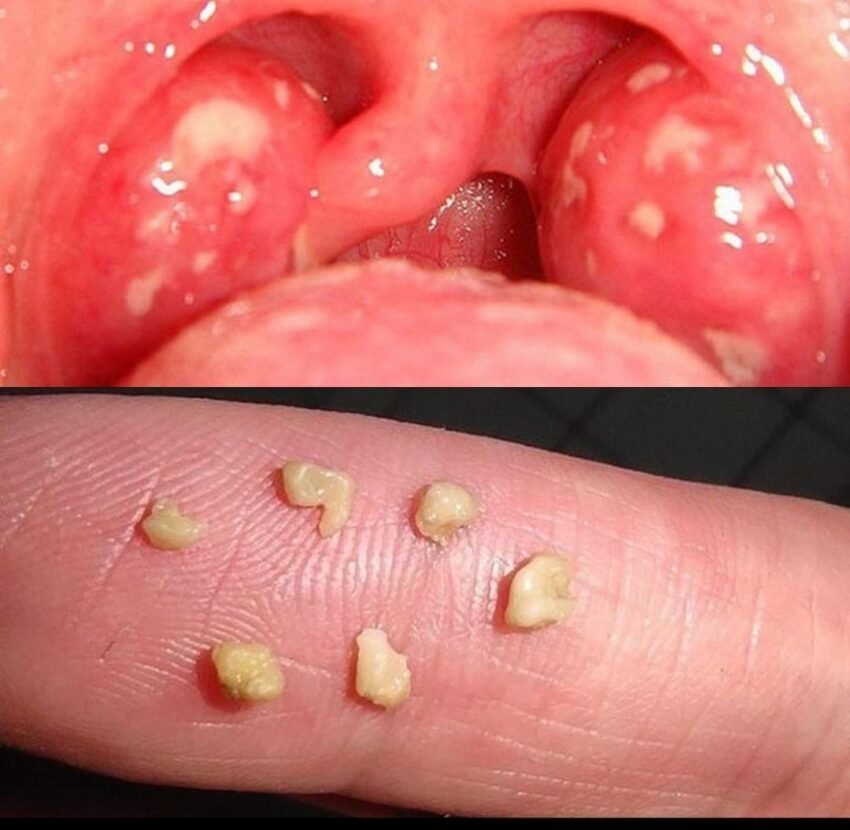
Tonsil stones—also called tonsilloliths—are small, hardened deposits that form in the crevices of your tonsils. While they’re usually harmless, they can be uncomfortable, annoying, and a common cause of persistent bad breath.
This guide explains what tonsil stones are, why they form, symptoms to watch for, how to remove them safely, and how to prevent them.
What Are Tonsil Stones?
Tonsil stones are clusters of debris that collect in the tiny folds and pockets (called crypts) of the tonsils. Over time, this material hardens or calcifies, forming small white or yellowish stones.
They can be:
-
As small as a grain of rice
-
Or, in rare cases, large and painful
Most people get them occasionally, while others experience frequent buildup.
What Causes Tonsil Stones?
Tonsil stones form when debris gets trapped in the tonsils, including:
-
Food particles
-
Dead cells
-
Mucus
-
Bacteria
Contributing factors include:
-
Deep or enlarged tonsil crypts
-
Poor oral hygiene
-
Chronic sinus issues or postnasal drip
-
Repeated tonsil infections
-
Dry mouth
Bacteria trapped in the stones release sulfur compounds, which explains the strong odor often associated with them.
Common Symptoms
Some tonsil stones cause no symptoms at all, but others may lead to:
-
Persistent bad breath (halitosis)
-
Sore or irritated throat
-
A feeling of something stuck in the throat
-
Difficulty swallowing
-
Ear pain (referred pain from the throat)
-
White or yellow spots visible on the tonsils
-
Metallic or unpleasant taste
If you experience fever, severe pain, or swelling, it may be an infection—not just tonsil stones.
How to Remove Tonsil Stones Safely (At-Home Directions)
⚠️ Always be gentle. If removal is painful or difficult, stop and consult a healthcare provider.
Method 1: Saltwater Gargle (Best First Step)
-
Mix ½ teaspoon salt in a cup of warm water.
-
Gargle for 20–30 seconds.
-
Repeat 2–3 times.
This can loosen stones and reduce bacteria.
Method 2: Cotton Swab Removal
-
Wash your hands thoroughly.
-
Use a clean cotton swab.
-
Open your mouth wide and gently press around the tonsil.
-
Ease the stone out—do not dig or scrape.
Best for visible, loose stones.
Method 3: Oral Irrigator (Low Pressure Only)
-
Use a water flosser on the lowest setting.
-
Aim gently at the tonsil crypt.
-
Flush with warm water.
Never use high pressure—it can injure tonsil tissue.
When NOT to Remove at Home
Avoid self-removal if:
-
The stone is deep or painful
-
There is bleeding
-
Tonsils are swollen or infected
-
You have frequent, recurring stones
In these cases, see a doctor or ENT specialist.
How to Prevent Tonsil Stones
Daily Oral Hygiene
-
Brush teeth twice daily
-
Floss at least once a day
-
Brush your tongue to reduce bacteria
Gargle Regularly
-
Saltwater gargles after meals
-
Alcohol-free mouthwash for sensitive throats
Stay Hydrated
-
Drink plenty of water to prevent dry mouth
Manage Sinus Issues
-
Treat allergies or postnasal drip
-
Use saline nasal sprays if needed
Avoid Smoking
-
Smoking increases bacterial buildup and dry mouth
Medical Treatment Options
If tonsil stones are frequent or severe, a doctor may recommend:
-
Professional removal
-
Antibiotics (if infection is present)
-
Laser tonsil cryptolysis (reduces crypt size)
-
Tonsillectomy (last resort for chronic cases)
When to See a Doctor
Seek medical advice if you experience:
-
Recurrent tonsil stones
-
Severe throat pain
-
Swelling or redness
-
Fever
-
Difficulty swallowing or breathing
Final Thoughts
Tonsil stones are common and usually harmless, but they can affect comfort, confidence, and oral health. With good hygiene and preventive care, most people can manage or avoid them entirely.