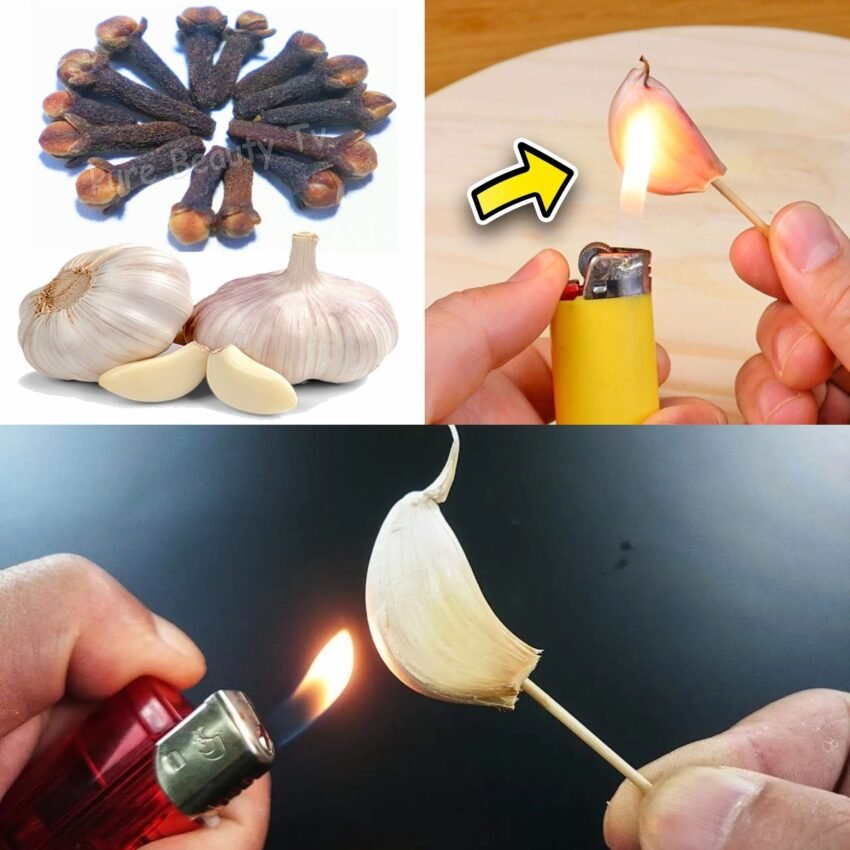
garlic—the culinary superhero that can turn a simple dish into something amazing… or turn it bitter if you’re not careful. Let’s break down what happens when garlic burns at home, particularly after about 15 minutes.
1. The Science of Garlic
Garlic is mostly water, sugars, and sulfur-containing compounds (like allicin). When heated:
- Low to medium heat: The sugars caramelize, the garlic becomes golden and sweet, and the flavor is rich and nutty.
- High heat or prolonged cooking: The sugars and proteins break down too much, creating bitterness.
2. Timeline of Garlic Cooking
Here’s roughly what happens as garlic cooks:
| Time | Heat Level | Garlic State | Flavor/Effect |
|---|---|---|---|
| 0–1 min | Medium-high | Raw | Pungent, sharp aroma |
| 2–3 min | Medium | Light golden | Sweet, nutty, fragrant |
| 3–5 min | Medium | Golden brown | Rich, aromatic, caramelized |
| 5–10 min | Medium | Dark brown | Stronger, slightly bitter |
| 10–15 min | Medium-high | Blackened | Burnt, acrid, extremely bitter, unpleasant odor |
⚠️ After 15 minutes, garlic is usually charred and bitter. The sulfur compounds have degraded into acrid chemicals that can make a dish taste sharp, sour, or even metallic.
3. Health and Safety
- Burnt garlic isn’t toxic in small amounts, but it’s not pleasant to eat.
- Extremely burnt garlic can contain acrylamides, a compound formed when foods with starches are overcooked, which is best avoided regularly.
4. Tips to Avoid Burning Garlic
- Add garlic later in cooking—especially if you’re sautéing vegetables or making sauces.
- Lower the heat—garlic cooks fast, so medium or medium-low is safer.
- Use whole cloves or slices—minced garlic burns faster because of the higher surface area.
- Add liquid—water, broth, or oil can slow down burning.