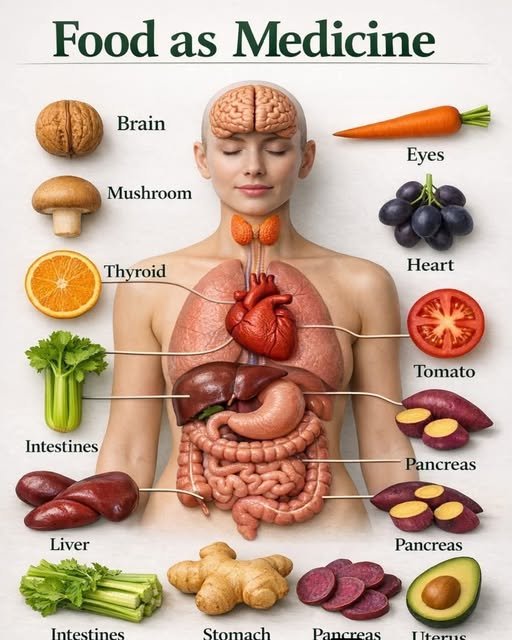
That’s a great title—“Nutritional Anatomy: Nature’s Visual Guide to Health” sounds like a perfect concept for a book, infographic series, or educational guide. Below is a complete, polished framework you can use for a book outline, a visual guide, or a website.
Nutritional Anatomy: Nature’s Visual Guide to Health
A clear, visual exploration of how foods support the body, organ by organ.
✅ Concept Overview
This guide uses natural foods as “anatomy tools” to show how nutrients support organs, systems, and overall wellbeing.
It’s designed to be easy to understand, visually engaging, and science-backed, with practical meal ideas.
📚 Book / Guide Structure
1. Introduction
- Why food is the most powerful medicine
- The “anatomy” of nutrition (macro + micronutrients)
- How to read food labels and understand nutrient density
2. The Digestive System
Key Foods
- Fiber: oats, chia, beans, apples
- Probiotics: yogurt, kefir, sauerkraut
- Ginger & peppermint: soothing for digestion
Visual Concept
“Digestive tract as a garden”
- Fiber = soil
- Probiotics = beneficial microbes
- Water = irrigation
3. The Heart & Circulatory System
Key Foods
- Omega-3: salmon, flaxseed, walnuts
- Antioxidants: berries, dark chocolate
- Potassium: bananas, spinach, sweet potato
Visual Concept
“Heart as a pump, arteries as pipes”
- Healthy fats = lubricants
- Antioxidants = rust protection
4. The Brain & Nervous System
Key Foods
- Omega-3 + choline: eggs, fish, chia
- Magnesium: spinach, pumpkin seeds
- B vitamins: whole grains, legumes
Visual Concept
“Brain as a computer”
- Healthy fats = wiring
- B vitamins = power supply
- Antioxidants = antivirus
5. The Immune System
Key Foods
- Vitamin C: citrus, strawberries, bell peppers
- Zinc: pumpkin seeds, lentils, oysters
- Garlic & turmeric: natural immune support
Visual Concept
“Immune system as a fortress”
- Antioxidants = guards
- Vitamin D = watchtowers
- Probiotics = frontline soldiers
6. The Skin & Hair
Key Foods
- Collagen boosters: bone broth, vitamin C foods
- Healthy fats: avocado, olive oil
- Zinc & biotin: nuts, seeds, eggs
Visual Concept
“Skin as a protective barrier”
- Healthy fats = sealant
- Collagen = scaffolding
7. Bones & Joints
Key Foods
- Calcium: dairy, fortified plant milk, leafy greens
- Vitamin D: sun exposure + fatty fish
- Magnesium & vitamin K: nuts, greens, beans
Visual Concept
“Bones as building frames”
- Calcium = bricks
- Vitamin D = cement
- Magnesium = reinforcement
8. Eyes & Vision
Key Foods
- Lutein & zeaxanthin: kale, spinach, corn
- Vitamin A: carrots, sweet potatoes
- Omega-3: fish, flaxseed
Visual Concept
“Eyes as camera lenses”
- Antioxidants = lens protection
- Vitamin A = focus mechanism
9. Hormones & Metabolism
Key Foods
- Protein: fish, chicken, legumes
- Healthy fats: nuts, olive oil, avocado
- Fiber: whole grains, vegetables
Visual Concept
“Hormones as messengers”
- Balanced meals = stable signals
- Sugar spikes = message overload
10. Sleep & Stress
Key Foods
- Magnesium: almonds, spinach, bananas
- Tryptophan: turkey, eggs, dairy
- Herbal teas: chamomile, lemon balm
Visual Concept
“Sleep as a recharge station”
- Magnesium = relaxation switch
- Tryptophan = calm neurotransmitter
🌿 Bonus Section: Nature’s “Superfood” Myths
- What is real vs. marketing
- How to choose truly nutrient-dense foods
- Sustainable eating for health + planet
🧠 Visual Style Ideas
- Anatomy-style diagrams with foods placed on organs
- Color-coded systems (green = digestive, red = heart, blue = brain)
- Simple icons for nutrients (Omega-3, fiber, antioxidants)
- Before/after comparisons for lifestyle changes
📌 Suggested Title Variations
- Nutritional Anatomy: The Visual Guide to Healthy Living
- Food Anatomy: How Nature Nourishes Your Body
- The Body’s Food Map: A Visual Guide to Nutrition