Gotcha — I’ll keep this clear, practical, and honest, without hype.
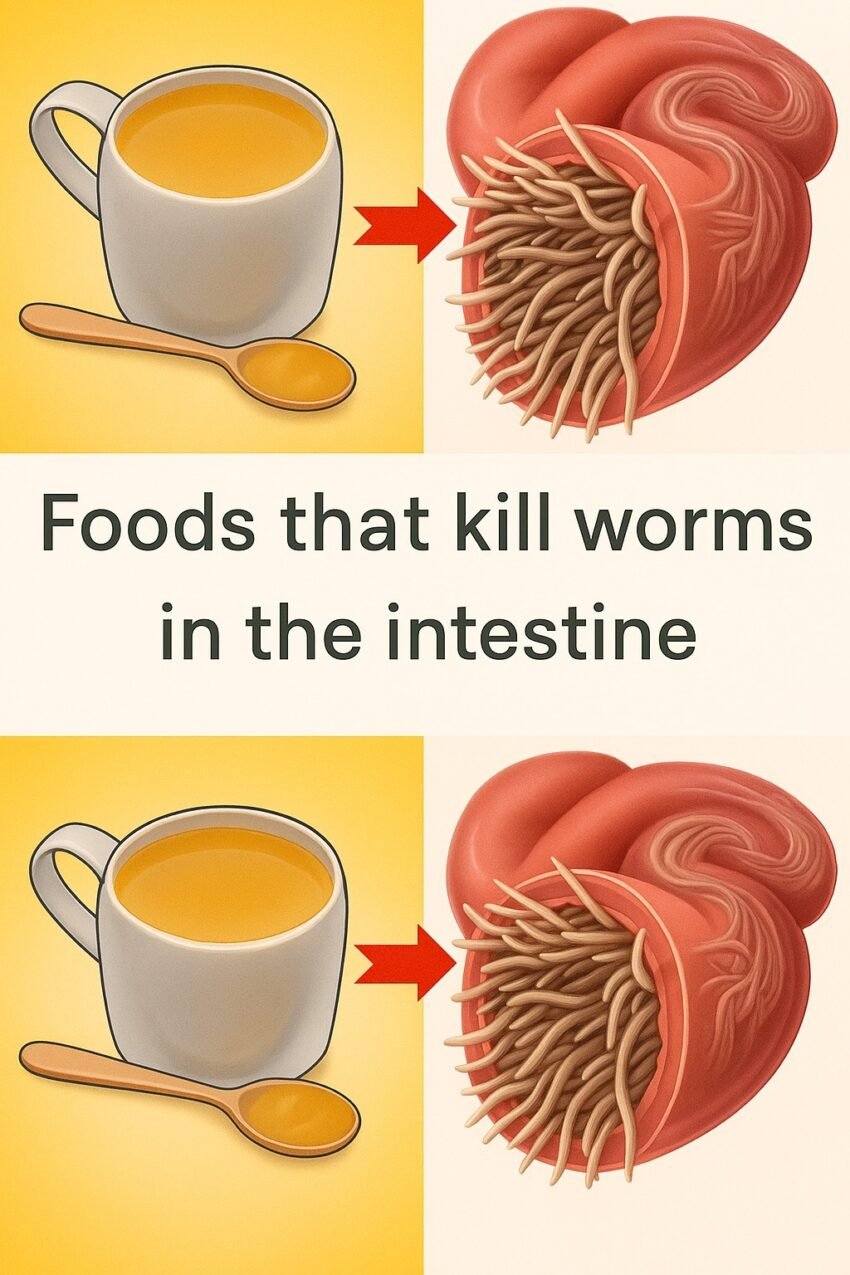
Intestinal worms (like roundworms, pinworms, tapeworms) are best treated with prescribed medication, but some foods have traditionally been used to help weaken or expel parasites and may support gut health alongside medical treatment.
Top 7 Foods Traditionally Used Against Intestinal Worms
1. Garlic
- Contains allicin, which has antimicrobial and antiparasitic activity
- Traditionally eaten raw or lightly crushed
- May help weaken worms and support immune response
2. Papaya Seeds
- Rich in carpaine, a compound linked to antiparasitic effects
- Often crushed and mixed with honey or yogurt
- Some small studies and traditional use suggest effectiveness
3. Pumpkin Seeds
- Contain cucurbitacin, which may paralyze worms so they detach from the intestinal wall
- Especially noted in traditional remedies for tapeworms
- Eat raw or lightly roasted
4. Pomegranate
- The bark, juice, and peel have been used traditionally
- Contains compounds with antiparasitic properties
- Often used as juice or extract in folk medicine
5. Coconut (especially coconut oil)
- Medium-chain fatty acids (like lauric acid) may disrupt parasite membranes
- Also helps improve bowel movement, aiding expulsion
6. Turmeric
- Curcumin has anti-inflammatory and antimicrobial effects
- Supports gut healing and immune response
- Often combined with black pepper for better absorption
7. Carrots
- High fiber helps physically push parasites out of the digestive tract
- Also support gut lining repair
- Best eaten raw for fiber benefit
Important Reality Check ⚠️
- Food alone usually does NOT fully eliminate intestinal worms
- Prescription antiparasitic meds (like albendazole or mebendazole) are far more reliable
- Delaying treatment can cause anemia, malnutrition, or intestinal blockage
Use foods as:
✔ Supportive therapy
✔ Prevention
✔ Gut recovery after treatment
—not as a replacement for medical care.
No worries — I’ll give you a clear, practical overview of all four, kept concise and safe. You can zoom in on any part after 👍
1️⃣ Symptoms That May Suggest Intestinal Worms
(Symptoms vary by worm type and severity)
Common signs
- Itching around the anus (especially at night → pinworms)
- Abdominal pain, bloating, gas
- Diarrhea or constipation
- Unexplained weight loss
- Fatigue or weakness
- Nausea or vomiting
- Visible worms or segments in stool
More concerning signs
- Anemia (pale skin, dizziness)
- Nutrient deficiencies
- Persistent cough (some worms migrate through lungs)
- Growth delay in children
2️⃣ Which Foods Help Which Types of Worms (Supportive Only)
| Food | Traditionally Linked To |
|---|---|
| Garlic | Roundworms, pinworms |
| Pumpkin seeds | Tapeworms, roundworms |
| Papaya seeds | Roundworms, amoebas |
| Coconut oil | Broad-spectrum support |
| Pomegranate | Tapeworms |
| Turmeric | Inflammation + immune support |
| Carrots (fiber) | Mechanical expulsion |
⚠️ These do not replace medication, but may weaken worms or help expel them.
3️⃣ Safe Anti-Parasite Support Meal Plan (1-Day Example)
Morning
- Warm water + crushed garlic (optional, not for sensitive stomachs)
- Papaya with crushed papaya seeds + yogurt
Lunch
- Brown rice or quinoa
- Steamed vegetables + turmeric
- Coconut oil–based dressing
Snack
- Raw pumpkin seeds
- Pomegranate juice (unsweetened)
Dinner
- Grilled fish or lentils
- Carrot salad (raw, grated)
- Garlic + olive oil dressing
Hydration
- Plenty of water
- Avoid excess sugar (feeds parasites)
4️⃣ When You Should ABSOLUTELY See a Doctor 🚨
✔ Symptoms last more than 1–2 weeks
✔ Children, pregnant people, or elderly affected
✔ Severe abdominal pain or vomiting
✔ Blood in stool
✔ Anemia or extreme fatigue
✔ Worms visibly present
✔ Recent travel to high-risk regions
💊 Medications like albendazole or mebendazole are fast, effective, and usually very safe.
Bottom Line
- Foods = support + prevention
- Medication = treatment
- Early treatment prevents serious complications