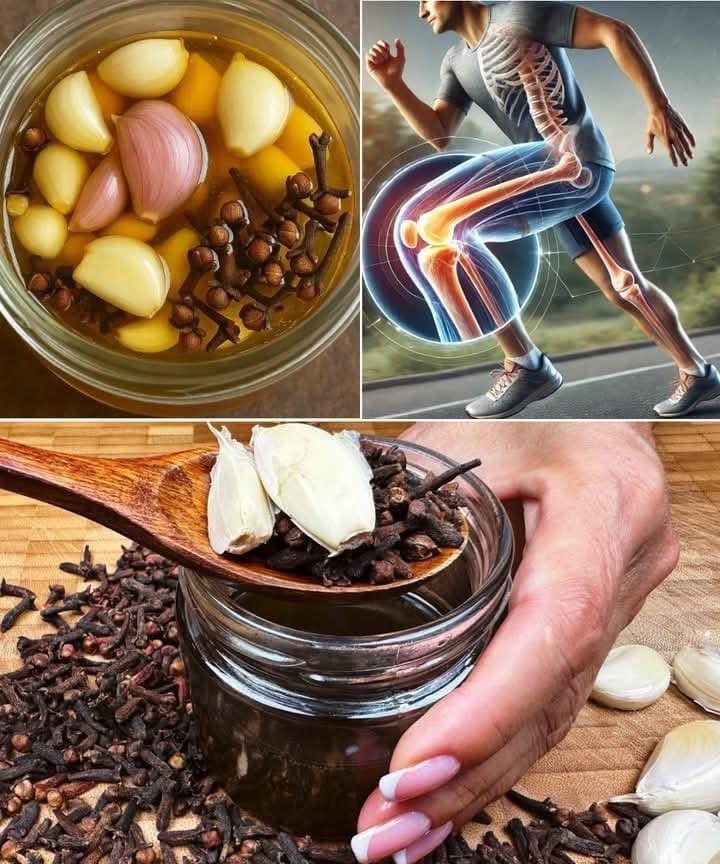
leg pain, rheumatism, varicose veins, and arthritis—common conditions that affect mobility and comfort. I’ll break down each condition, what might cause them, how they interrelate, and ways to manage or relieve symptoms.
1. Leg Pain
Leg pain can result from many causes, including:
-
Muscle fatigue or strain: Often from exercise, long periods of standing, or poor posture.
-
Poor circulation: Can lead to cramping or heaviness, often linked with varicose veins or peripheral artery disease.
-
Nerve issues: Such as sciatica or neuropathy, causing sharp, burning, or tingling sensations.
-
Inflammatory conditions: Arthritis or rheumatism can cause joint pain in the knees, hips, or ankles.
Relief tips:
-
Rest and elevate legs.
-
Stretching and gentle exercises (like walking or swimming).
-
Warm compress for stiffness or cold compress for swelling.
-
Supportive shoes or compression stockings.
2. Rheumatism
“Rheumatism” is an old term for conditions that cause joint pain, stiffness, and inflammation, often including:
-
Rheumatoid arthritis (RA): An autoimmune condition affecting joints symmetrically.
-
Osteoarthritis (OA): Wear-and-tear arthritis causing joint cartilage degeneration.
-
Fibromyalgia: Widespread pain and stiffness, often affecting muscles and connective tissue.
Symptoms: Pain, stiffness, swelling, fatigue, and limited range of motion.
Management:
-
Anti-inflammatory medications (NSAIDs) or prescribed DMARDs for RA.
-
Regular low-impact exercise to maintain joint mobility.
-
Heat therapy for stiffness; cold packs for swelling.
-
Balanced diet rich in anti-inflammatory foods (omega-3s, fruits, vegetables).
3. Varicose Veins
Varicose veins occur when veins in the legs become enlarged, twisted, and less efficient at returning blood to the heart.
Causes:
-
Genetics and family history.
-
Prolonged standing or sitting.
-
Aging (veins lose elasticity).
-
Obesity or pregnancy.
Symptoms: Aching, heaviness, swelling, cramps, visible bulging veins.
Relief and care:
-
Elevate legs several times a day.
-
Wear compression stockings to improve blood flow.
-
Avoid prolonged standing; move or walk frequently.
-
Exercise to strengthen calf muscles (helps pump blood).
-
Medical procedures (laser treatment, sclerotherapy) for severe cases.
4. Arthritis
Arthritis refers to joint inflammation; the most common types affecting legs include:
-
Osteoarthritis (OA): Wear-and-tear, often affecting knees, hips, ankles.
-
Rheumatoid arthritis (RA): Autoimmune, can affect any joint symmetrically.
-
Gout: Caused by uric acid crystals, often affects knees or ankles.
Symptoms: Pain, stiffness, swelling, reduced mobility, warmth around joints.
Management:
-
Medications: NSAIDs, corticosteroids, DMARDs (for RA), pain relievers.
-
Physical therapy: Exercises to strengthen muscles around joints.
-
Weight management: Reduces pressure on knees and hips.
-
Heat and cold therapy: Heat for stiffness, cold for swelling.
-
Joint support: Braces or orthotics as needed.
Common Connections Between These Conditions
-
Circulation issues (varicose veins) can worsen leg pain and stiffness.
-
Inflammatory conditions (rheumatism, arthritis) cause joint swelling and reduced mobility.
-
Sedentary lifestyle or aging can contribute to all four conditions.
-
Weight management, exercise, and diet benefit multiple conditions simultaneously.
Lifestyle Tips for Leg Health
-
Regular low-impact exercise: Walking, swimming, or cycling improve circulation and joint mobility.
-
Healthy diet: Anti-inflammatory foods—omega-3 fatty acids, leafy greens, berries, nuts.
-
Maintain healthy weight: Reduces strain on joints and veins.
-
Compression stockings: Support veins and reduce swelling.
-
Proper footwear: Cushioned, supportive shoes reduce joint stress.
-
Elevate legs periodically: Helps circulation and reduces swelling.